Failure isn’t the opposite of success; it’s the foundation for it
Failure is an inevitable part of life, and how children learn to perceive it can shape their confidence, resilience, and long-term success. In many cultures, failure is viewed as something to avoid—an embarrassing mistake rather than an opportunity for growth. In reality, failure isn’t the enemy; it’s one of the most powerful tools for personal development.
When children learn to fail quickly, they develop critical problem-solving skills that will serve them throughout their lives.
Instead of shielding children from failure, allowing them to experience and learn from it can be one of the most valuable gifts you can give them.
Why Failing Feels So Bad
Children often experience failure as a deeply emotional event. Feelings of embarrassment, shame, or frustration can lead them to believe they’re not good enough—especially if they think they’ve disappointed their parents. However, failure isn’t a sign of incompetence; it’s simply a part of the learning process.
As parents, it is our responsibility to help children separate their failures from their self-worth. Failing at something does not mean they are bad with money, incapable, or unintelligent. It simply indicates that there is more for them to learn.
And how to reframe failure as a tool for growth
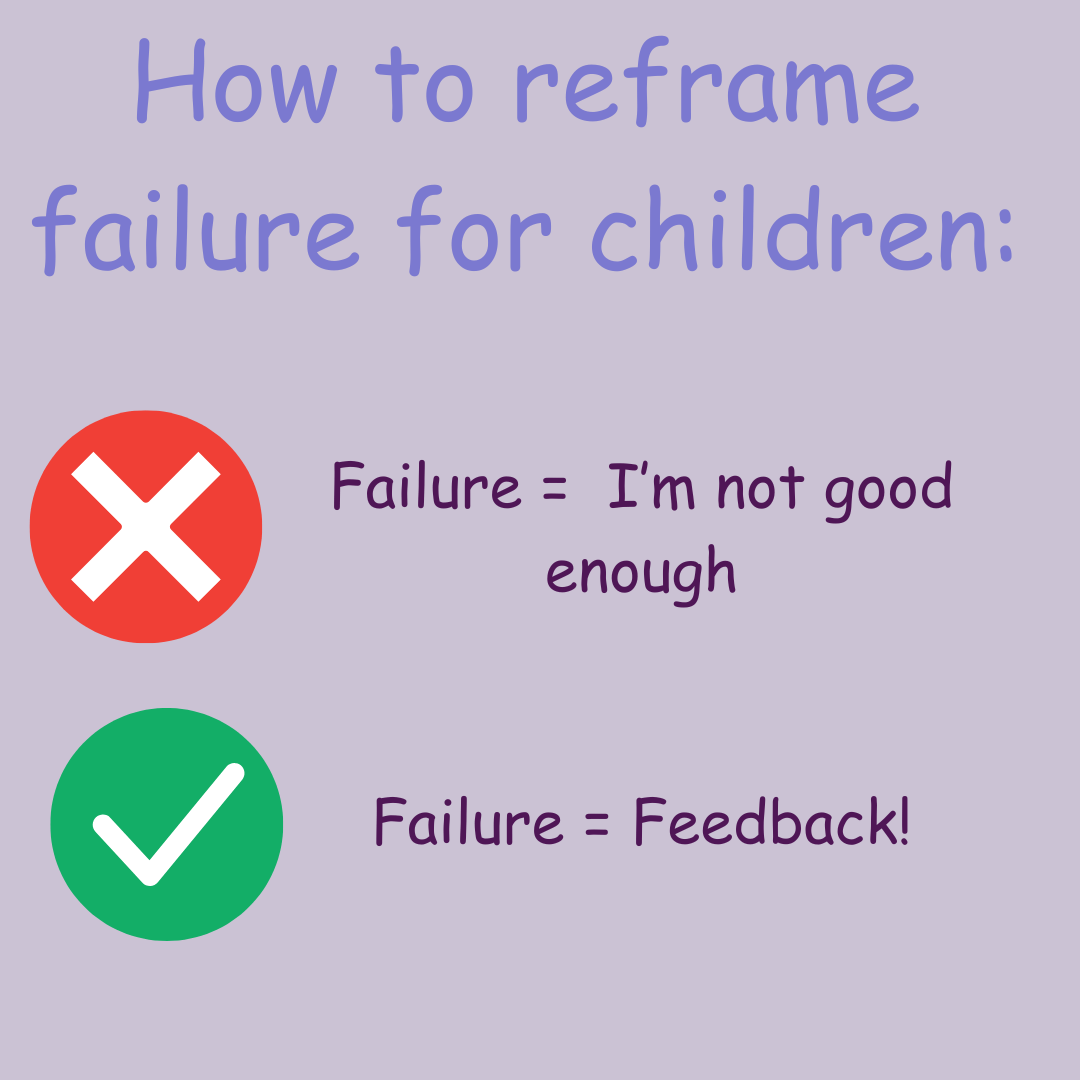
We need to reframe failure as a valuable tool for growth. Since children may not fully understand the emotions connected to failure, they often perceive it as negative rather than as a stepping stone. The key is to help them process these emotions constructively:
Validate their feelings: Acknowledge their frustration or disappointment rather than dismiss it, let them name what they are feeling - shame, embarrassment, disappointment.
Encourage reflection: Ask them why it didn't work. Did they act impulsively? Did they lack information? What could they do differently next time?
Dissociate the event from the person: Remind them that failing does not mean they are a failure. The event does not prove that they are not good enough or not capable. It merely provides feedback on what they can improve
Promote resilience: Encourage them to adjust their approach and try again.
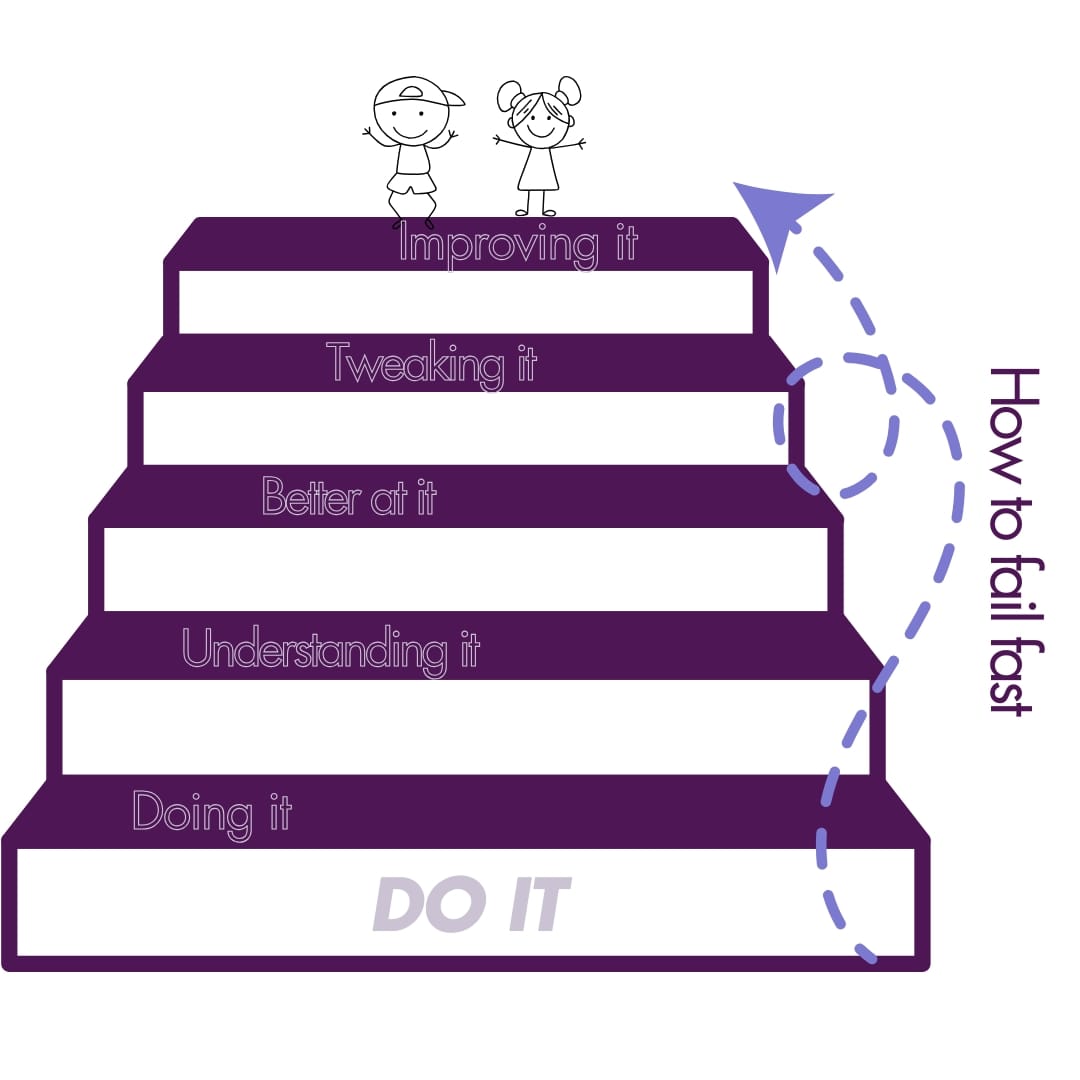
Learning to Fail Fast
In financial decision-making, as in life, experiencing failure quickly is often more beneficial than trying to avoid failure altogether. Teaching children to recognize and address mistakes early helps them become more effective problem-solvers, a skill that will benefit them in adulthood. Instead of waiting for a major crisis, children who learn to identify small failures can adjust their decisions in real time, minimizing long-term consequences.
This mindset shift—viewing failure as feedback rather than a defeat—prepares them to handle financial responsibilities with confidence. The sooner they learn from their mistakes, the quicker they will improve.
Building a Positive mindset around failure
The most successful individuals view failure not as an endpoint but as a critical part of the journey. Help your children develop this mindset by:
- Celebrating effort, not just results: Praise their perseverance and problem-solving skills, even when things don’t go as planned.
- Reframing mistakes as learning opportunities: Remind them that every failure offers valuable lessons and new strategies.
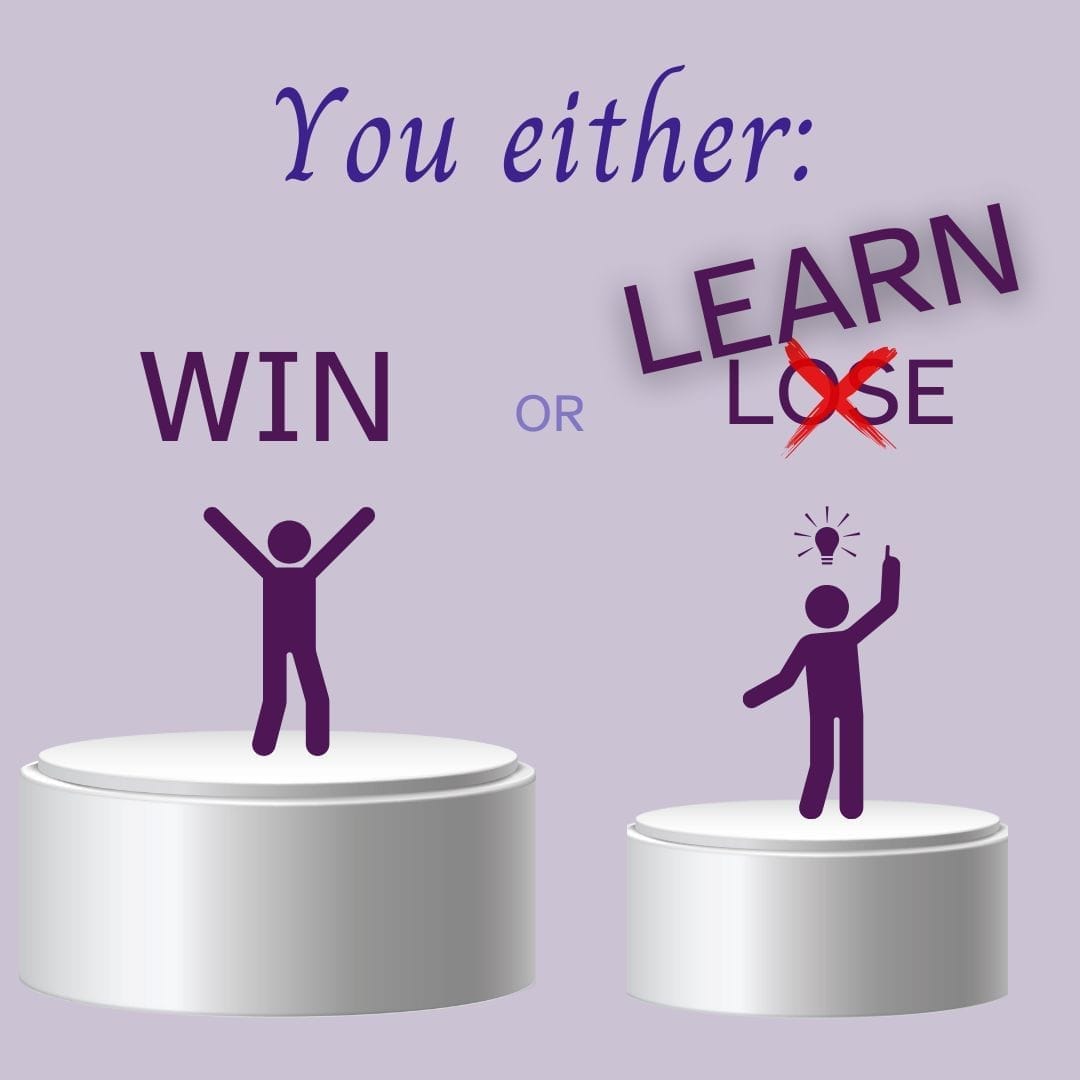
- You either win or learn: Reinforce the idea that each setback brings them one step closer to success.
Practice makes perfect, learn to fail fast and accelerate the timeline to perfection!
Shift your child's focus away from what failed, and towards what they have learnt from it. Move them from `failure` to `feedback` as fast as possible and as young and possible, and see how your children start to flourish under setbacks and failures.
Teach your kids to fail fast—because avoiding failure isn’t just unrealistic; it’s impossible. By normalizing failure as part of the learning process, children build adaptability and confidence instead of fear and avoidance.